Wreck Bunker
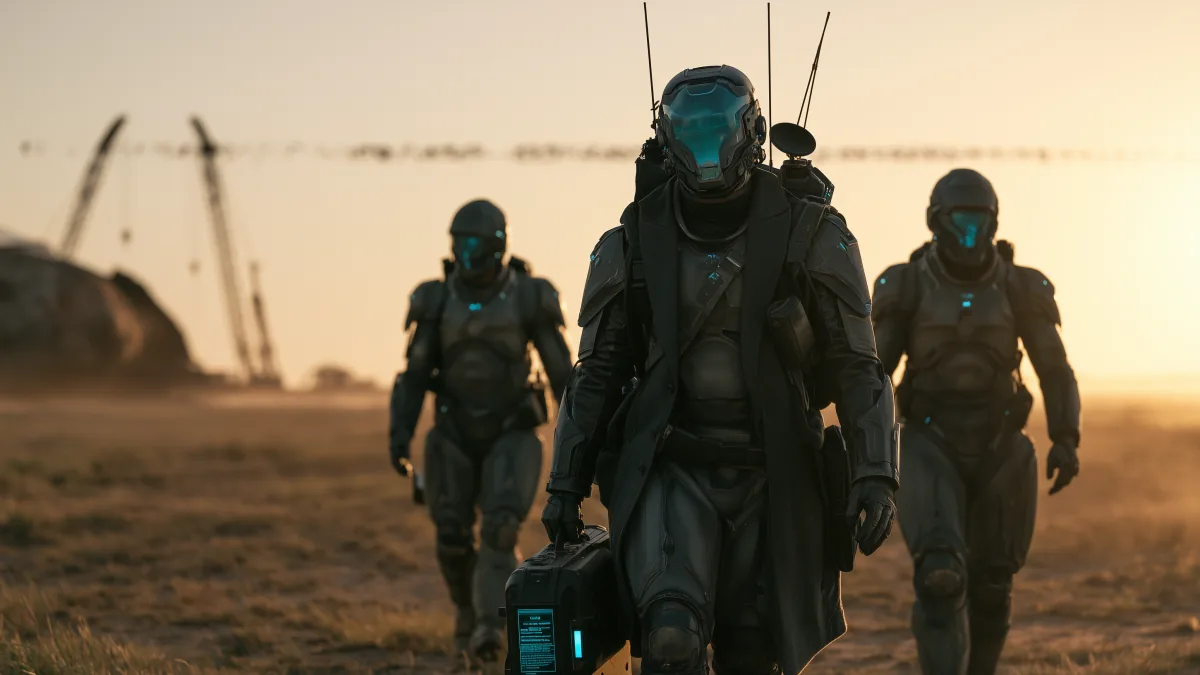
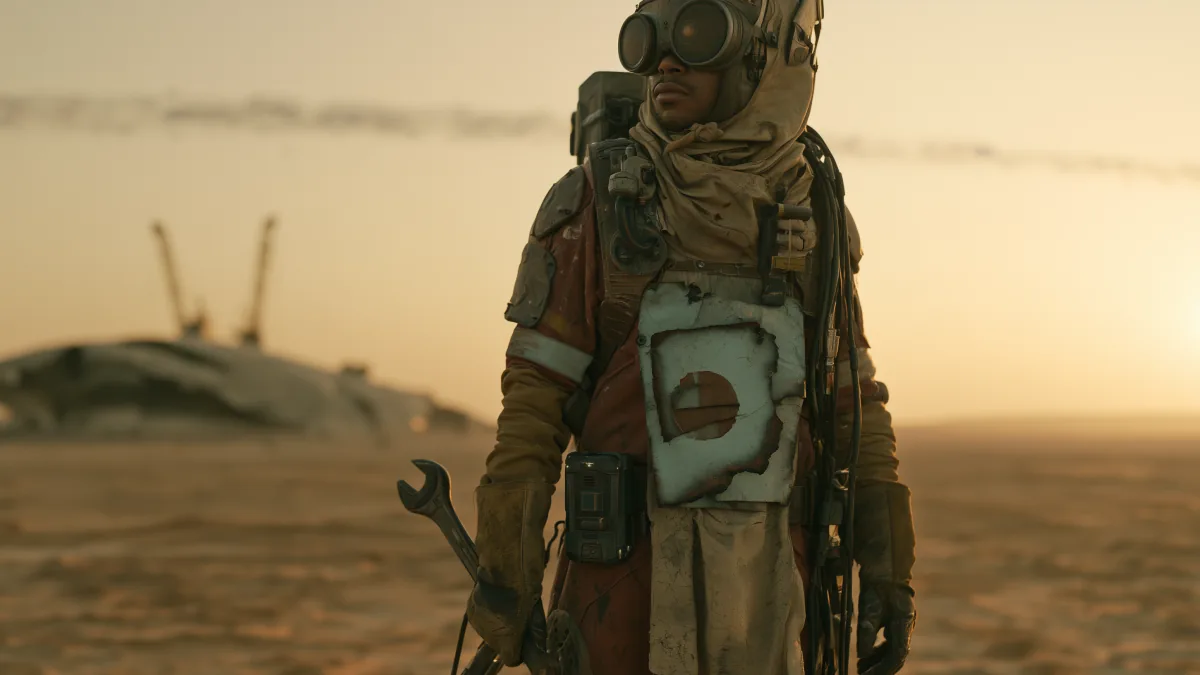
DefencePressure bulkheads from a fallen habitat ring, dug in by the militias in the lawless years before the Nadir Charter and armed with whatever they could find. Every pass in the belt has one, and most have changed hands more often than anyone can remember.
In the gameclaim it, and it opens fire on all your enemiesClaimone engineer
Salvage Reclaimer
EconomyA Ring factory module that came down intact and never shut off. It still runs its last program, taking in scrap, sorting it and turning out clean stock, and it pays whoever holds the door.
In the gamea steady stream of credits for its ownerClaimone engineer
Relay Mast
VisionPart of the old crash-warning network: masts on the high ground that tracked every falling fragment and fed the crash maps sold on every market in the belt. Whoever holds one sees what the mast sees.
In the gameits owner sees far around it, through the fog of warClaimone engineer
Field Station
RepairAn aid post from the Accord years, where relief crews patched up salvage workers from both sides. The crews left when the war began. The machines stayed, and they still treat anyone who comes through the door.
In the gameheals your infantry and repairs your vehicles nearby, for freeClaimone engineer
Uplink Fragment
Support powerA piece of the Ring’s uplink array that still answers its old handshake. Through it, its holder can borrow a look from the sensors still circling in orbit, League or Consortium alike. Some crews swear it answers a moment before it is asked.
In the gamethe Scan support power for its ownerClaimone engineer
Orbital Gun Battery
The big prizeIn orbit, these guns broke up debris before it could hit the Ring, so they were built to hit hard and far. A few came down in one piece. Their fire control still obeys the Ring’s old three-key rule: no single crew may arm a Ring weapon.
In the gameshells enemy vehicles and buildings across half the battlefield. Everyone wants it; few keep it for longClaimthree engineers